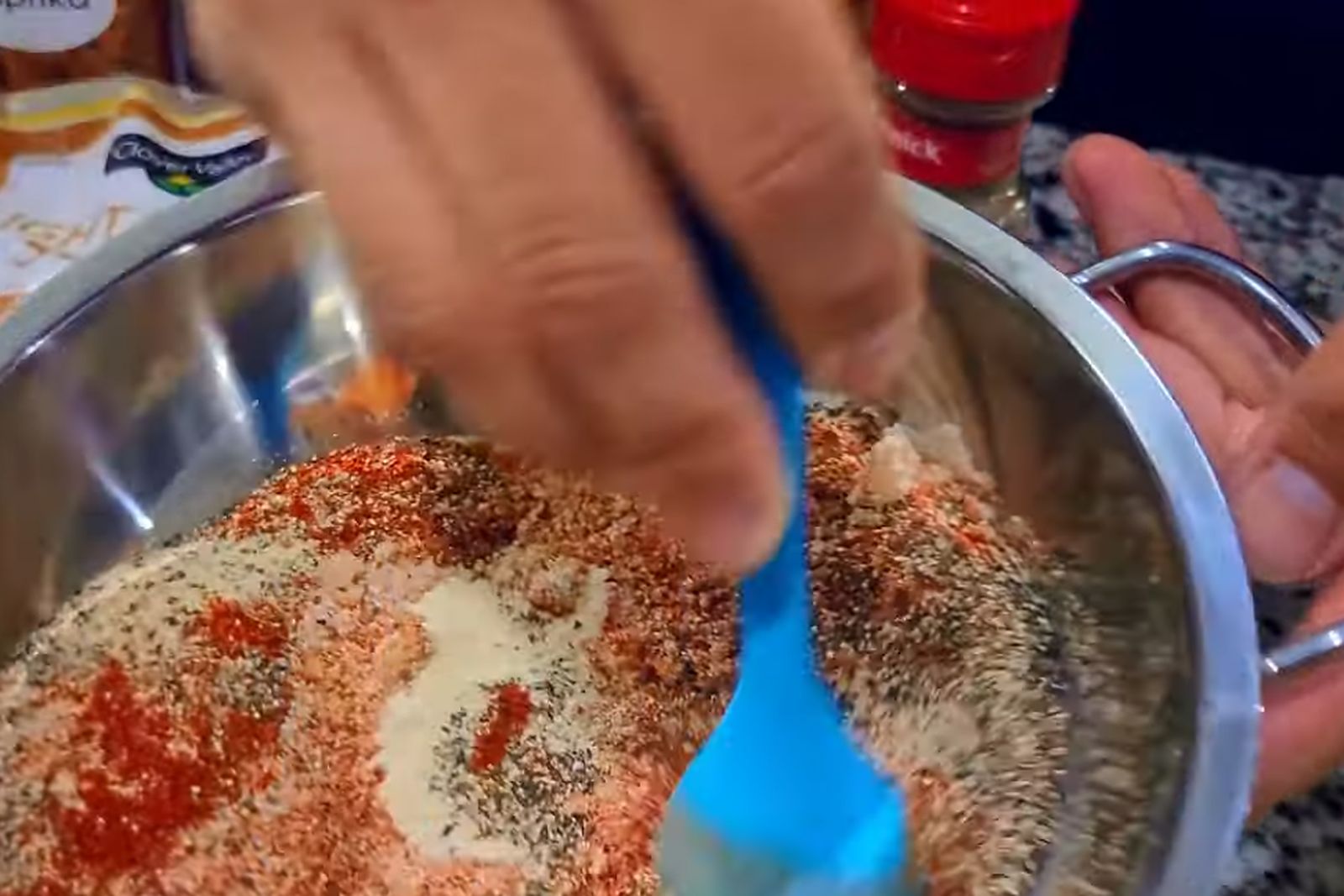
Sweet Heat Pork Rub
Makes About 1 1/4 cups — enough for two 8 lb pork butts or four racks of ribs
This one leans Kansas City rather than Texas, and makes no apology for it. Pork wants sugar in a way beef doesn’t, and a shoulder cooked to 203°F has enough time and enough fat to turn a sweet rub into something lacquered rather than sticky.
The balance to get right is sugar against heat. Too much sugar and you get candy with a burnt edge. Too much chipotle and the sweetness reads as a mistake. What’s below has held up across a lot of shoulders.
On the cinnamon and allspice
These two are doing the same job from different directions. Allspice brings a slightly peppery warmth, cinnamon brings sweetness that isn’t sugar. Together they round off the gap between the brown sugar and the smoked paprika, and they’re the reason this rub tastes finished rather than like sugar with spices in it.
Ceylon cinnamon is the better choice here for the same reason as always — it’s gentler, and in a rub with this much sugar in it the last thing you need is cassia’s sharper edge fighting the chipotle. See Ceylon vs Cassia in a BBQ Rub.
Watch the sugar and the temperature
A half cup of brown sugar means this rub will not survive high heat. Anything above about 275°F and the sugar starts to burn before the collagen has rendered.
If you want to finish ribs hot, or you’re grilling pork chops rather than smoking them, cut the brown sugar to a quarter cup and add a tablespoon of salt back to compensate. Or use the Burger and Skillet Rub, which is built for direct heat.
Storage
Brown sugar makes this one clump in humidity. A sealed jar with a silica packet, or a piece of orange peel if you don’t have one, keeps it loose for a couple of months. If it has set solid, break it up and use it anyway — nothing has gone wrong, the sugar has just pulled in water.
Notes
- Ribs: apply, rest thirty minutes, smoke at 250°F. If you wrap, do it at the three-hour mark, not before.
- Pulled pork: this rub produces a dark bark. That’s rendered sugar, not burning — chop it through the pulled meat rather than discarding it.
- Less heat: drop the chipotle to half a teaspoon. Don’t remove it entirely or the rub goes flat.
- More heat: add cayenne rather than more chipotle. Chipotle brings smoke as well as heat, and past a teaspoon it starts to compete with the smoker.
Ingredients
- 1/2 cup (100 g) dark brown sugar, packed
- 2 tbsp (14 g) sweet paprika
- 1 tbsp (7 g) smoked paprika
- 1 tbsp (18 g) kosher salt
- 1 tbsp (7 g) coarse black pepper
- 2 tsp (6 g) garlic powder
- 2 tsp (4 g) ground Ceylon cinnamon
- 1 tsp (2 g) onion powder
- 1 tsp (2 g) chipotle powder
- 1 tsp (2 g) dry mustard
- 1/2 tsp (1 g) ground allspice
Method
-
Break down the sugar
Push the dark brown sugar through a coarse sieve or work it between your palms until loose. Any lump that survives becomes a scorched black spot on the bark.
-
Combine
Everything into a bowl, whisked until uniform — a deep rust red with no pale streaks of sugar and no dark pockets of chipotle.
-
Apply generously
Bind with mustard or cider vinegar, then coat all sides heavily, including into the crevice where the blade bone sits. Pull the membrane first on ribs.
-
Rest before cooking
An hour in the fridge for a butt, thirty minutes for ribs, until the rub turns from powder to paste.